📞+44 7578 731403

Mon – Fri : 9AM – 6PM
Sat – 10AM – 2PM

✉️ info@davepumps.com

Understanding Centrifugal Pumps: Working Principle, Types & Industrial Applications

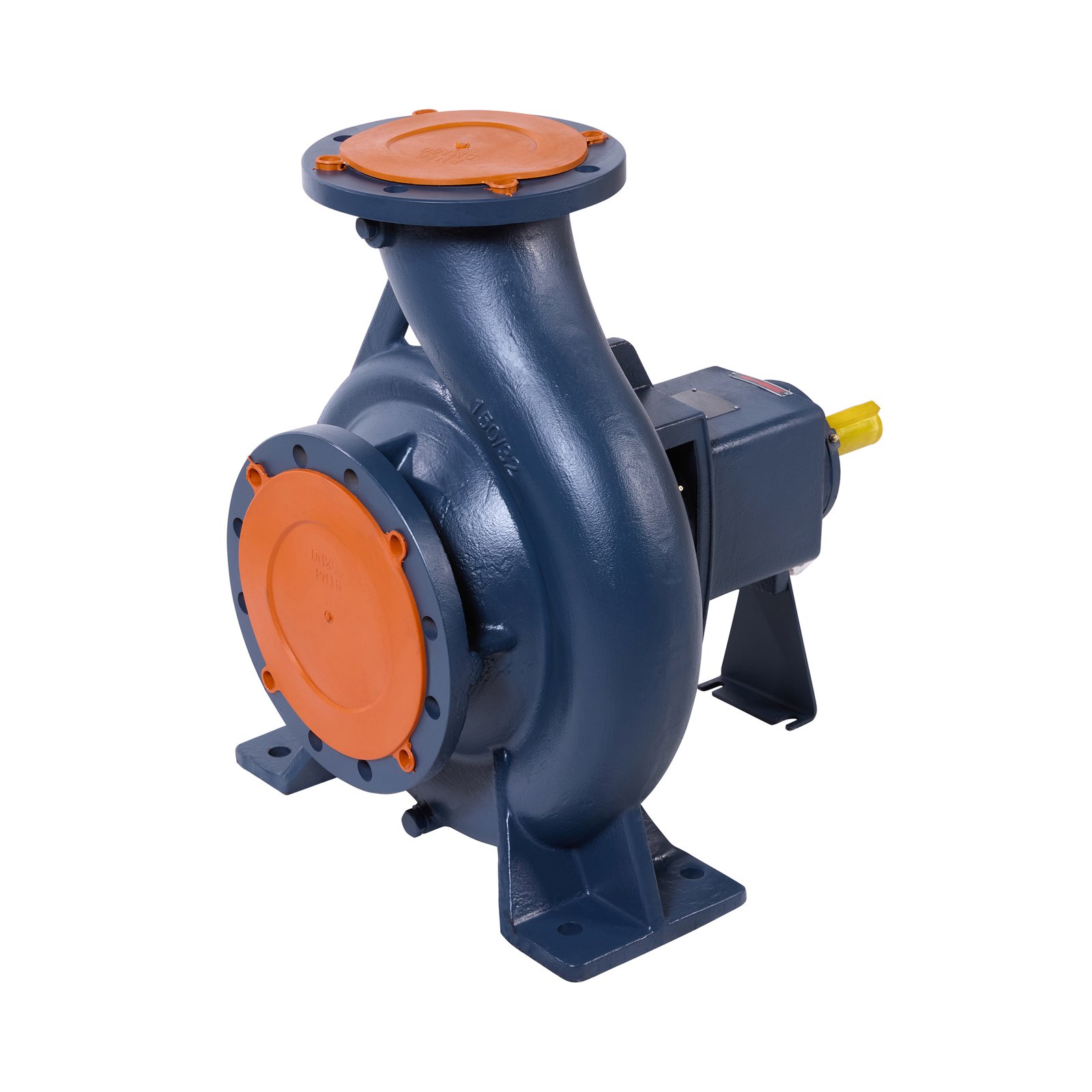
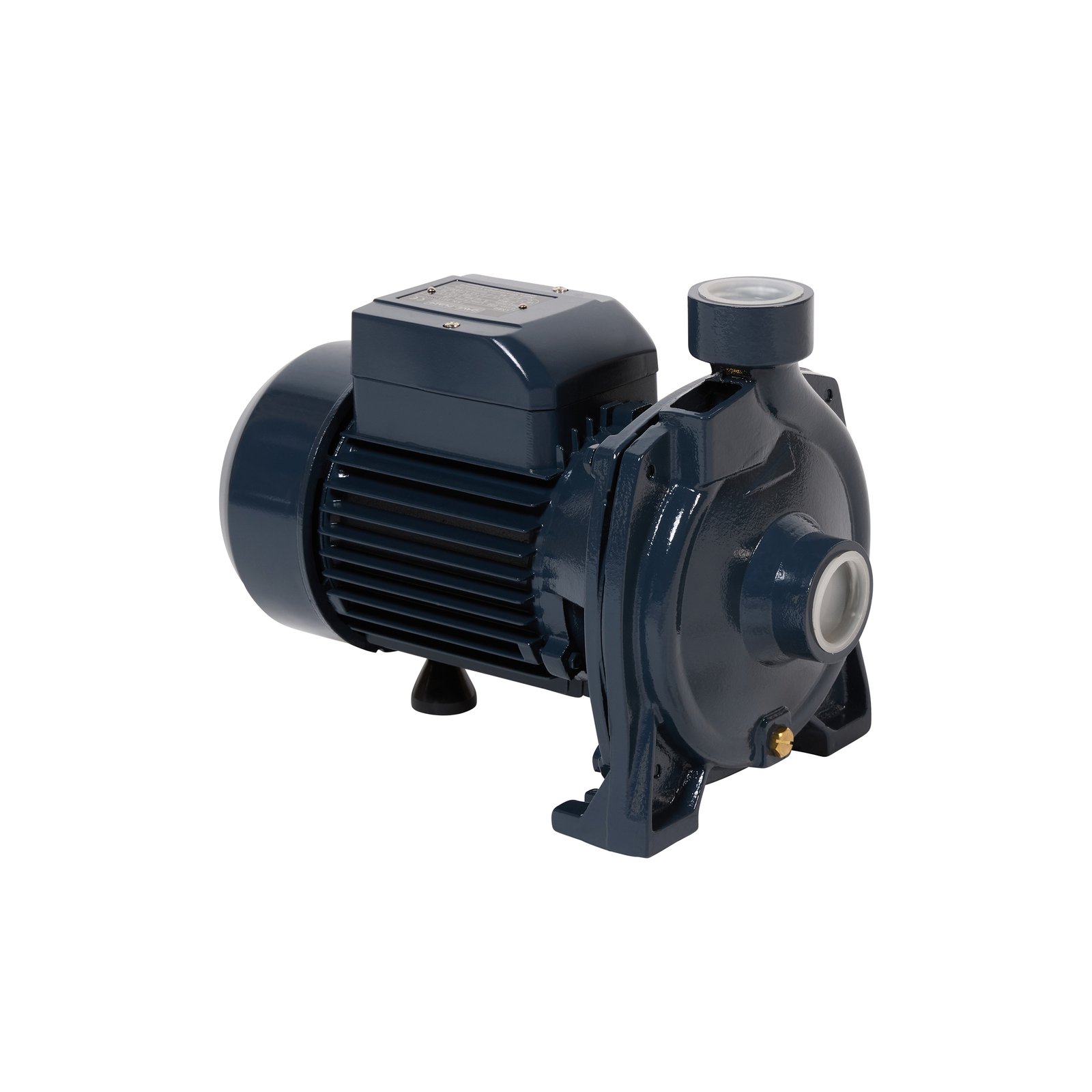
Centrifugal pumps are mechanical devices designed to move liquids by converting rotational energy into hydrodynamic energy. They are commonly powered by electric motors, diesel engines, or turbines and are extensively used in industrial, commercial, and residential applications.

How Does a Centrifugal Pump Work?

The working principle of a centrifugal pump is based on centrifugal force. When the pump starts operating, the impeller rotates rapidly inside the pump casing. This rotation creates a low-pressure zone at the center of the impeller, allowing liquid to enter through the suction inlet.As the liquid moves outward through the impeller vanes, its velocity increases. The pump casing then converts this velocity into pressure energy, enabling the fluid to flow efficiently through the discharge outlet.

Main Components of a Centrifugal Pump

  • Impeller
  • Pump Casing
  • Shaft
  • Bearings
  • Mechanical Seal
  • Suction and Discharge Ports

Each component works together to ensure smooth and continuous liquid transfer.

Types of Centrifugal Pumps

1. Horizontal Centrifugal Pumps

These pumps are commonly used in industrial plants, water supply systems, and manufacturing facilities. They are easy to install and maintain.

2. Vertical Centrifugal Pumps

Vertical models are suitable for applications where floor space is limited or deep sump pumping is required.

3. Single-Stage Centrifugal Pumps

These pumps use one impeller and are ideal for low to medium pressure applications.

4. Multi-Stage Centrifugal Pumps

Designed with multiple impellers, these pumps generate higher pressure and are commonly used in boiler feed systems and high-rise buildings.

5. Self-Priming Centrifugal Pumps

These pumps can automatically remove air from the suction line, making them ideal for wastewater and drainage applications.

Advantages of Centrifugal Pumps

  • High efficiency
  • Smooth and continuous flow
  • Low maintenance requirements
  • Compact design
  • Cost-effective operation
  • Suitable for handling large fluid volumes

Their simple construction and reliable performance make them one of the most preferred pump types in various industries.

Common Applications

Centrifugal pumps are widely used in:

  • Water treatment plants
  • Agriculture and irrigation
  • HVAC systems
  • Chemical industries
  • Oil and gas sectors
  • Food and beverage processing
  • Firefighting systems
  • Marine applications
Maintenance Tips for Longer Pump Life

Regular maintenance helps improve pump efficiency and reduce downtime. Here are a few important tips:

  • Inspect seals and bearings regularly
  • Check for unusual vibrations or noise
  • Ensure proper alignment
  • Monitor motor performance
  • Clean impellers periodically
  • Avoid dry running

Preventive maintenance significantly extends the operational life of centrifugal pumps.

Choosing the Right Centrifugal Pump

Selecting the correct pump depends on several factors:

  • Flow rate requirements
  • Head pressure
  • Type of liquid
  • Temperature
  • Operating environment
  • Energy efficiency

Working with an experienced pump supplier can help you identify the best solution for your application.

Conclusion

Centrifugal pumps are essential equipment for efficient fluid transfer across multiple industries. Their robust construction, reliable operation, and versatility make them ideal for a wide range of applications. Whether used in industrial processing, water supply, or commercial systems, centrifugal pumps continue to deliver dependable performance worldwide.

For businesses looking for high-quality pumping solutions, choosing a trusted supplier ensures long-term reliability, efficiency, and operational success.

Leave a Comment

Your email address will not be published. Required fields are marked *

Scroll to Top