
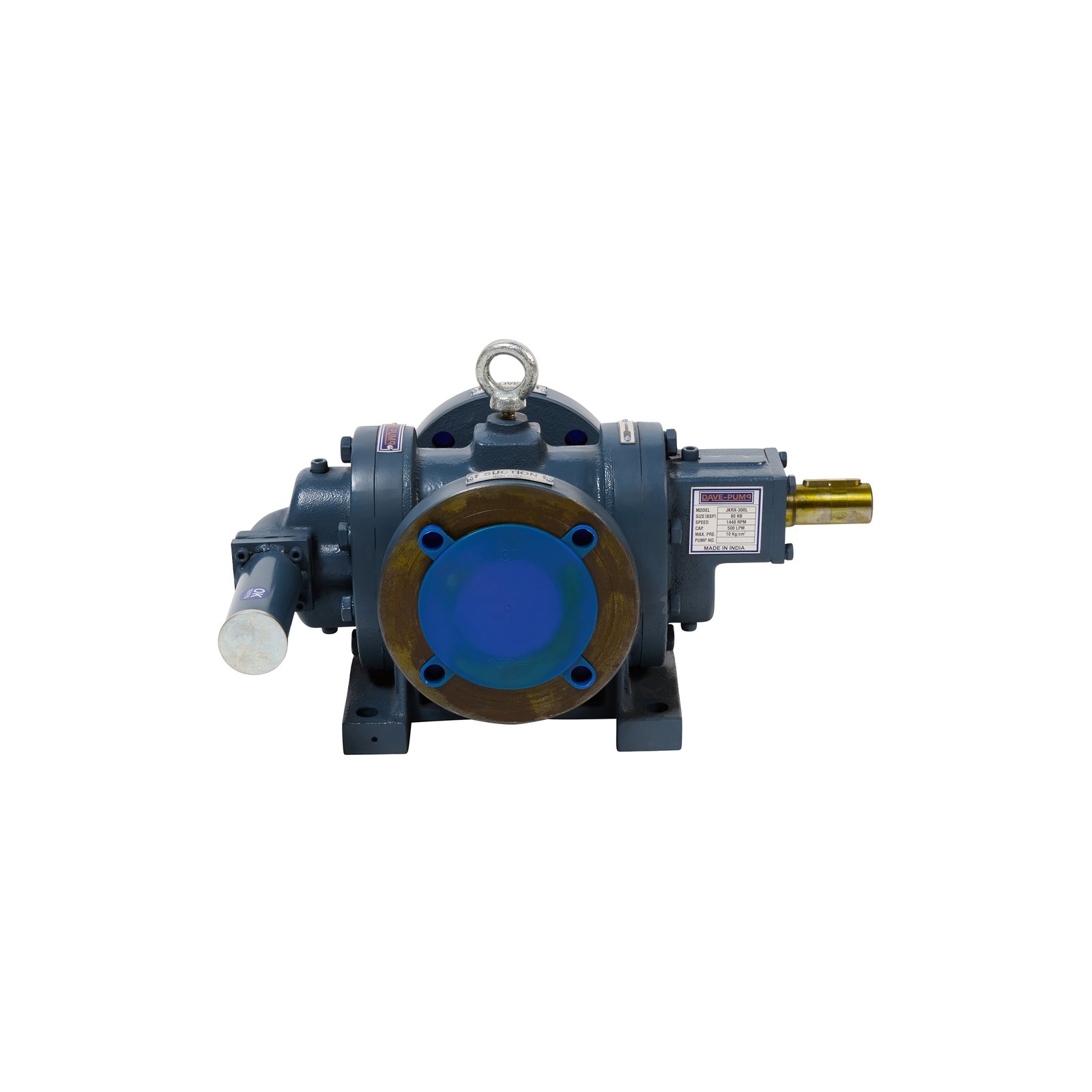
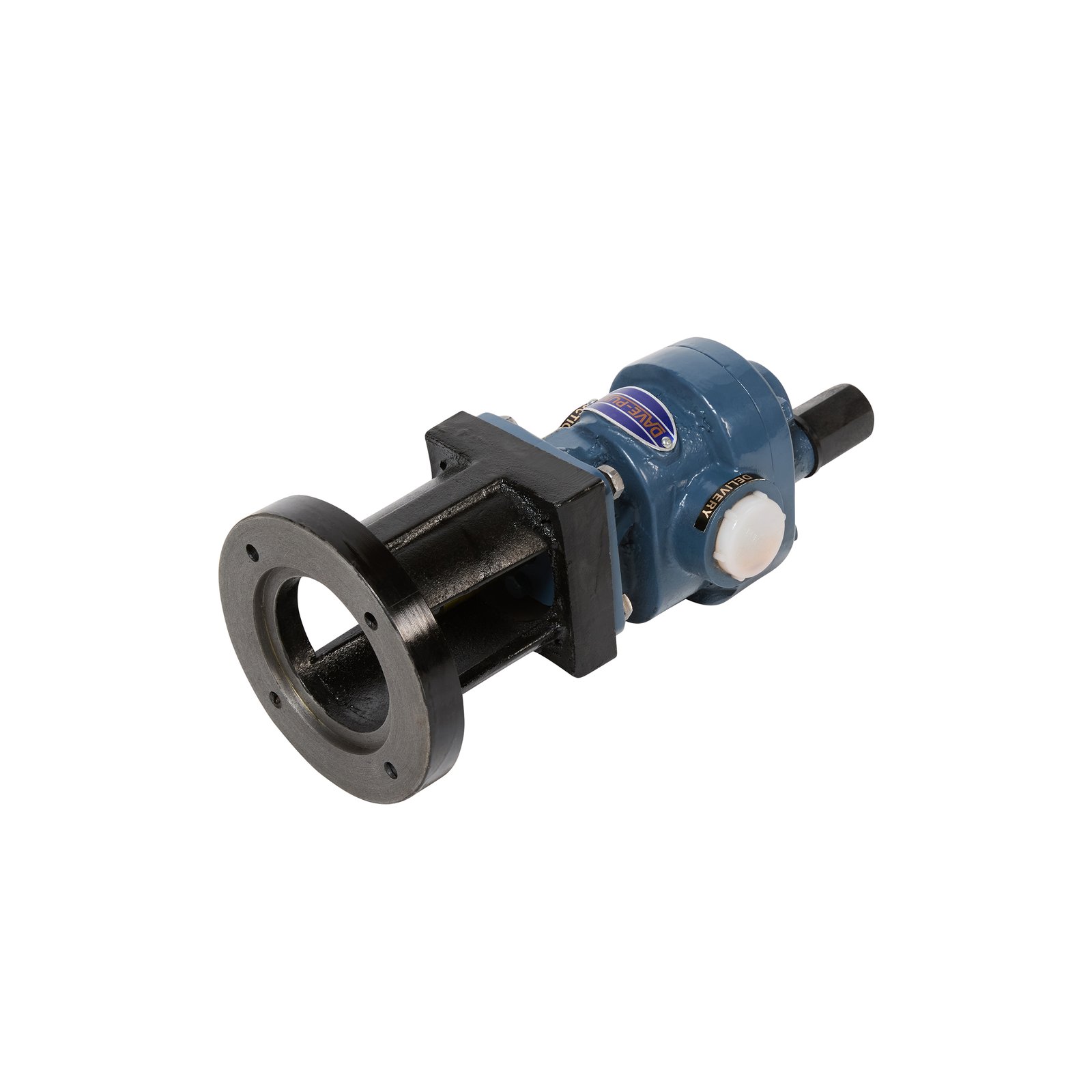
Gear pumps are positive displacement pumps that transfer fluids using rotating gears. These pumps are designed to deliver a precise and continuous flow, making them ideal for handling viscous liquids such as oil, fuel, chemicals, paints, syrups, and lubricants.
Their compact design, high efficiency, and durability make gear pumps one of the most commonly used pumps in industrial and commercial sectors.
How Does a Gear Pump Work?
A gear pump operates by using two meshing gears that rotate inside a tightly fitted casing. As the gears rotate, fluid is trapped between the gear teeth and the pump housing. The fluid is then carried around the outer edges of the gears from the suction side to the discharge side.
The meshing of the gears creates pressure, forcing the liquid to flow smoothly and consistently through the outlet.
Gear pumps are known for producing a steady, pulse-free flow even at high pressures.
Main Components of a Gear Pump
- Drive Gear
- Driven Gear
- Pump Housing
- Shaft
- Bearings
- Mechanical Seal
- Inlet and Outlet Ports
These components work together to ensure reliable fluid transfer with minimal leakage.
Types of Gear Pumps
1. External Gear Pumps
External gear pumps use two identical external gears rotating against each other. They are widely used for hydraulic systems, fuel transfer, lubrication, and industrial oil circulation.
2. Internal Gear Pumps
Internal gear pumps consist of one internal gear and one external gear. They are suitable for handling highly viscous fluids and are commonly used in chemical, food, and pharmaceutical industries.
Advantages of Gear Pumps
- Excellent for high-viscosity liquids
- Consistent and accurate flow
- Compact and simple design
- High pressure capability
- Low maintenance requirements
- Durable and long operational life
- Smooth and quiet operation
Because of these advantages, gear pumps are highly preferred in demanding industrial environments.
Common Applications of Gear Pumps
Gear pumps are extensively used in:
- Oil and fuel transfer
- Hydraulic systems
- Chemical processing
- Lubrication systems
- Food and beverage industries
- Paint and resin transfer
- Marine applications
- Asphalt and bitumen handling
Their ability to handle thick fluids efficiently makes them essential in many industrial processes.
Maintenance Tips for Gear Pumps
Proper maintenance improves efficiency and extends pump lifespan. Important maintenance practices include:
- Regularly inspect gears and seals
- Check for leaks or unusual noise
- Maintain proper lubrication
- Avoid dry running
- Monitor operating pressure
- Clean internal components periodically
Preventive maintenance reduces downtime and ensures smooth pump operation.
Choosing the Right Gear Pump
Selecting the correct gear pump depends on several important factors:
- Fluid viscosity
- Flow rate requirements
- Operating pressure
- Temperature range
- Material compatibility
- Installation environment
Choosing a high-quality gear pump from a trusted manufacturer ensures reliable performance and long-term durability.
Conclusion
Gear pumps are highly efficient positive displacement pumps designed for reliable fluid handling across various industries. Their precise flow control, strong pressure capability, and ability to handle viscous liquids make them an excellent choice for industrial operations worldwide.
Whether used for oil transfer, chemical processing, or hydraulic systems, gear pumps continue to provide dependable and efficient performance in demanding applications.