
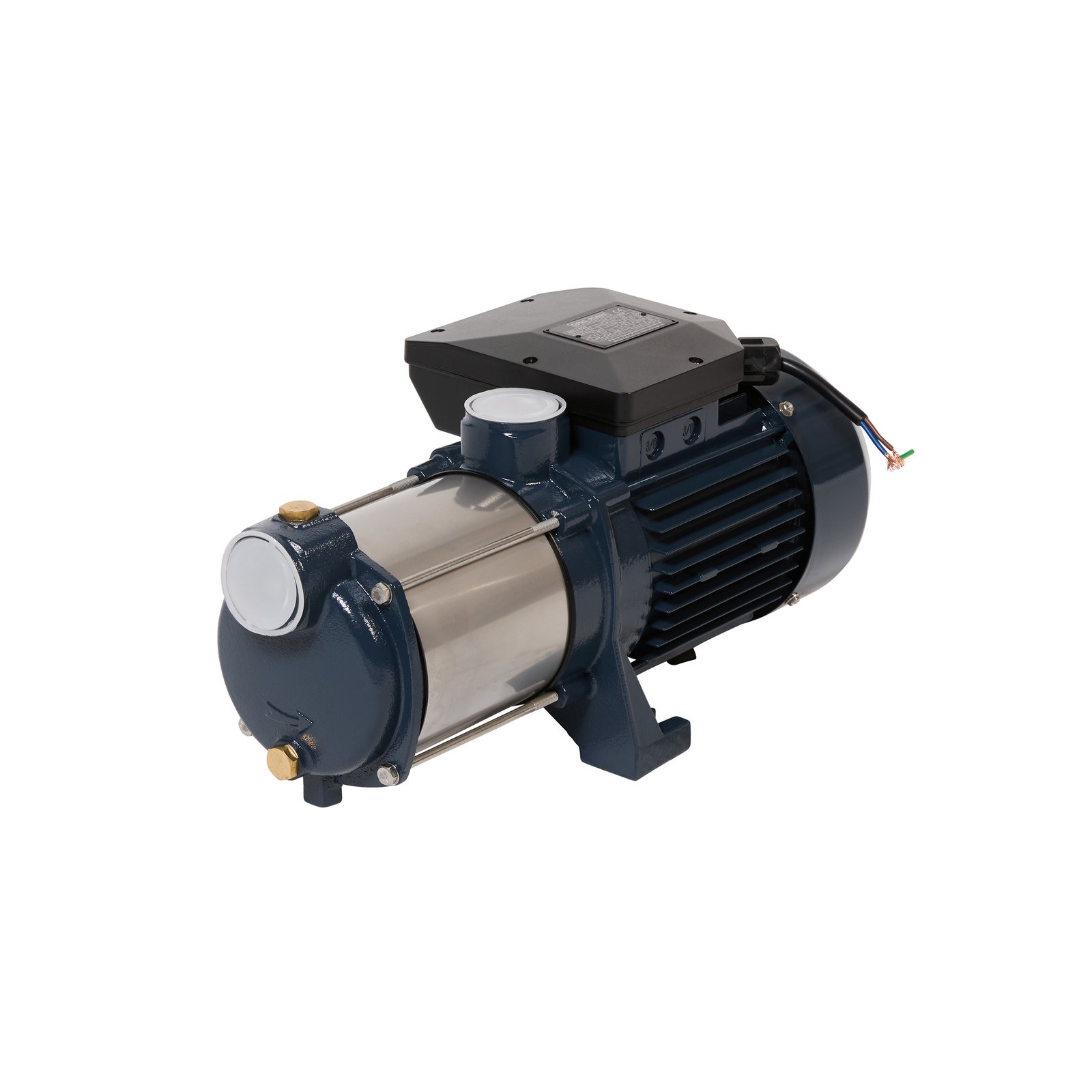
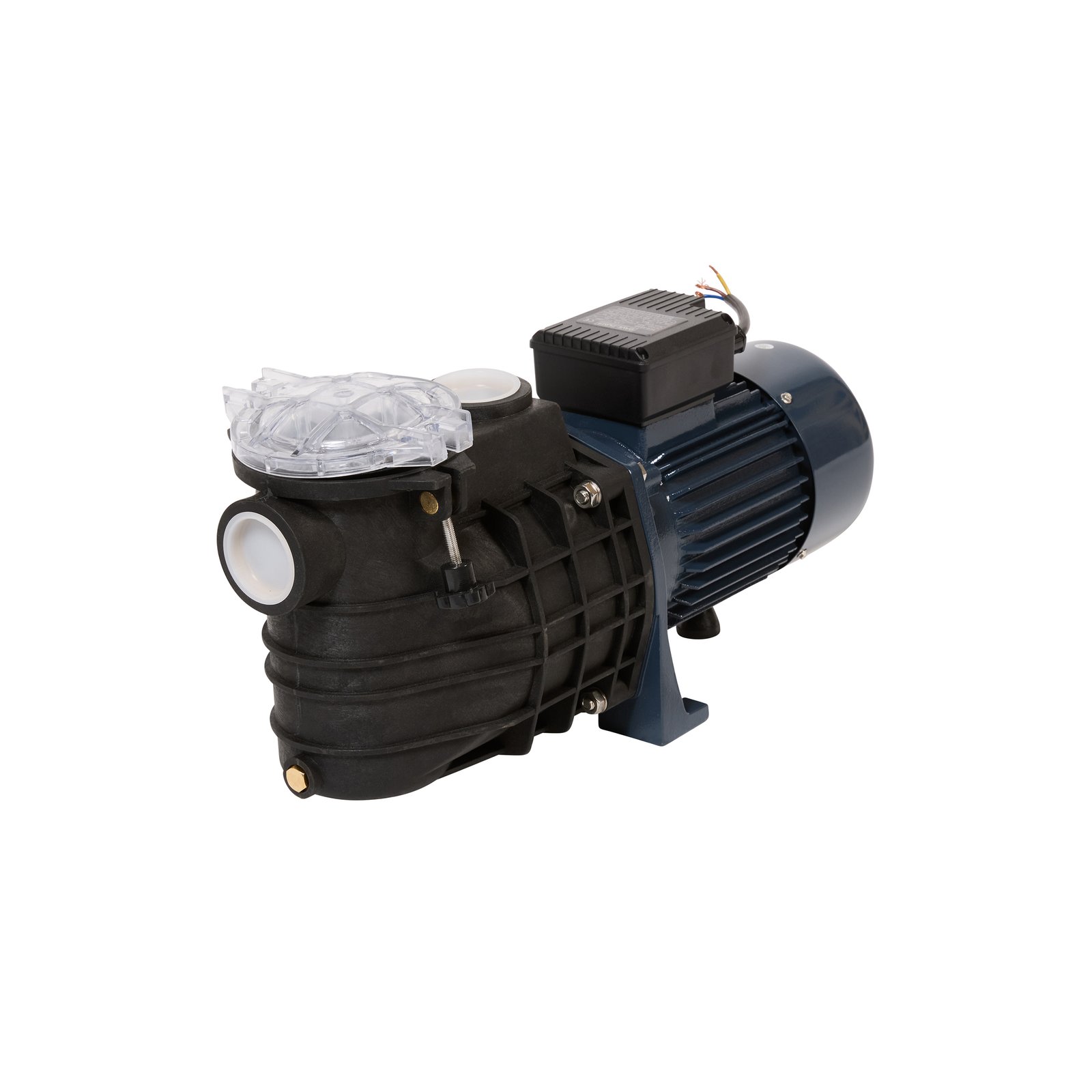
Water pumps are mechanical devices designed to transport water by converting mechanical energy into hydraulic energy. They play a critical role in supplying clean water, boosting water pressure, irrigation systems, industrial operations, and wastewater handling.
Modern water pumps are engineered for high efficiency, durability, and long-term performance across a wide range of applications.
How Does a Water Pump Work?
A water pump operates by creating pressure that moves water through pipes and systems. Depending on the pump type, water movement may be achieved using centrifugal force, displacement mechanisms, or submersible motor systems.
When the pump starts operating, it creates suction that draws water into the pump and then discharges it under pressure to the required destination.
Main Components of a Water Pump
- Impeller
- Pump Casing
- Motor
- Shaft
- Bearings
- Mechanical Seal
- Suction and Discharge Ports
These components work together to ensure smooth and efficient water transfer.
Types of Water Pumps
1. Centrifugal Water Pumps
These are the most common water pumps used for domestic, commercial, and industrial water transfer applications.
2. Submersible Pumps
Submersible pumps operate underwater and are commonly used for borewells, drainage, sewage systems, and deep water applications.
3. Booster Pumps
Booster pumps are designed to increase water pressure in residential buildings, hotels, and industrial systems.
4. Self-Priming Pumps
These pumps automatically remove air from the suction line, making them ideal for water transfer and irrigation systems.
5. Multistage Water Pumps
Multistage pumps provide high pressure and are commonly used in high-rise buildings, RO plants, and industrial applications.
Advantages of Water Pumps
- Efficient water transfer
- Reliable performance
- Wide range of applications
- Energy-efficient operation
- Durable construction
- Easy installation and maintenance
- Suitable for high and low pressure systems
Their versatility makes water pumps indispensable in modern infrastructure and industrial operations.
Common Applications of Water Pumps
Water pumps are widely used in:
- Residential water supply
- Agricultural irrigation
- Industrial water systems
- HVAC systems
- Water treatment plants
- Firefighting systems
- Construction sites
- Sewage and drainage systems
They are essential for maintaining efficient water circulation and supply.
Maintenance Tips for Water Pumps
Proper maintenance helps improve efficiency and extend pump lifespan. Important maintenance practices include:
- Inspect seals and bearings regularly
- Check for leaks and unusual noise
- Ensure proper motor alignment
- Clean filters and impellers
- Monitor operating pressure
- Avoid dry running
Routine maintenance minimizes downtime and improves operational reliability.
Choosing the Right Water Pump
Selecting the correct water pump depends on several important factors:
- Flow rate requirements
- Pump head and pressure
- Water source depth
- Application type
- Power availability
- Water quality
- Installation environment
Working with a trusted pump supplier ensures the best pump selection for long-term efficiency and performance.
Conclusion
Water pumps are vital equipment for efficient water movement across residential, agricultural, commercial, and industrial sectors. Their dependable performance, energy efficiency, and wide application range make them an essential part of modern water systems.
Whether used for irrigation, water supply, drainage, or industrial processes, water pumps provide reliable and effective solutions for daily operations worldwide.